Born Into
Migration
Máret Rávdná Buljo — Knowledge Keeper & Steward of Land and Reindeer
About the Episode
Máret Rávdná Buljo
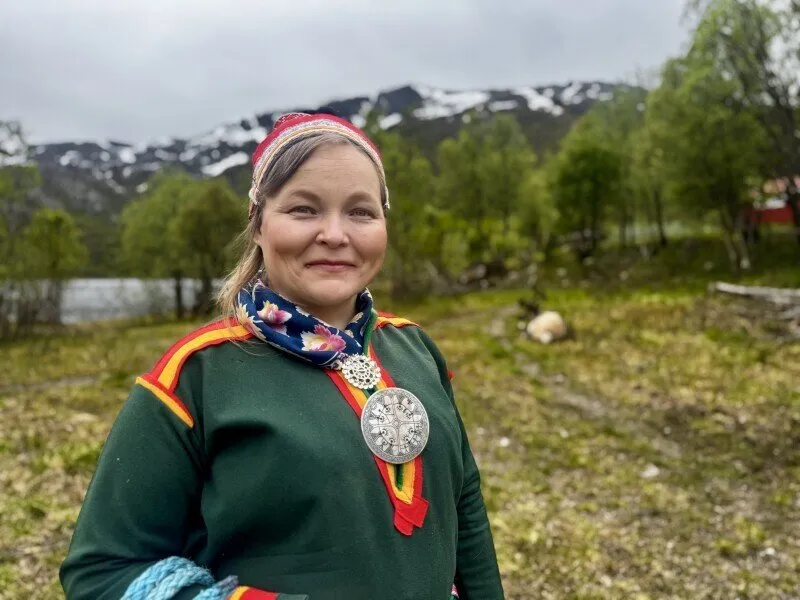
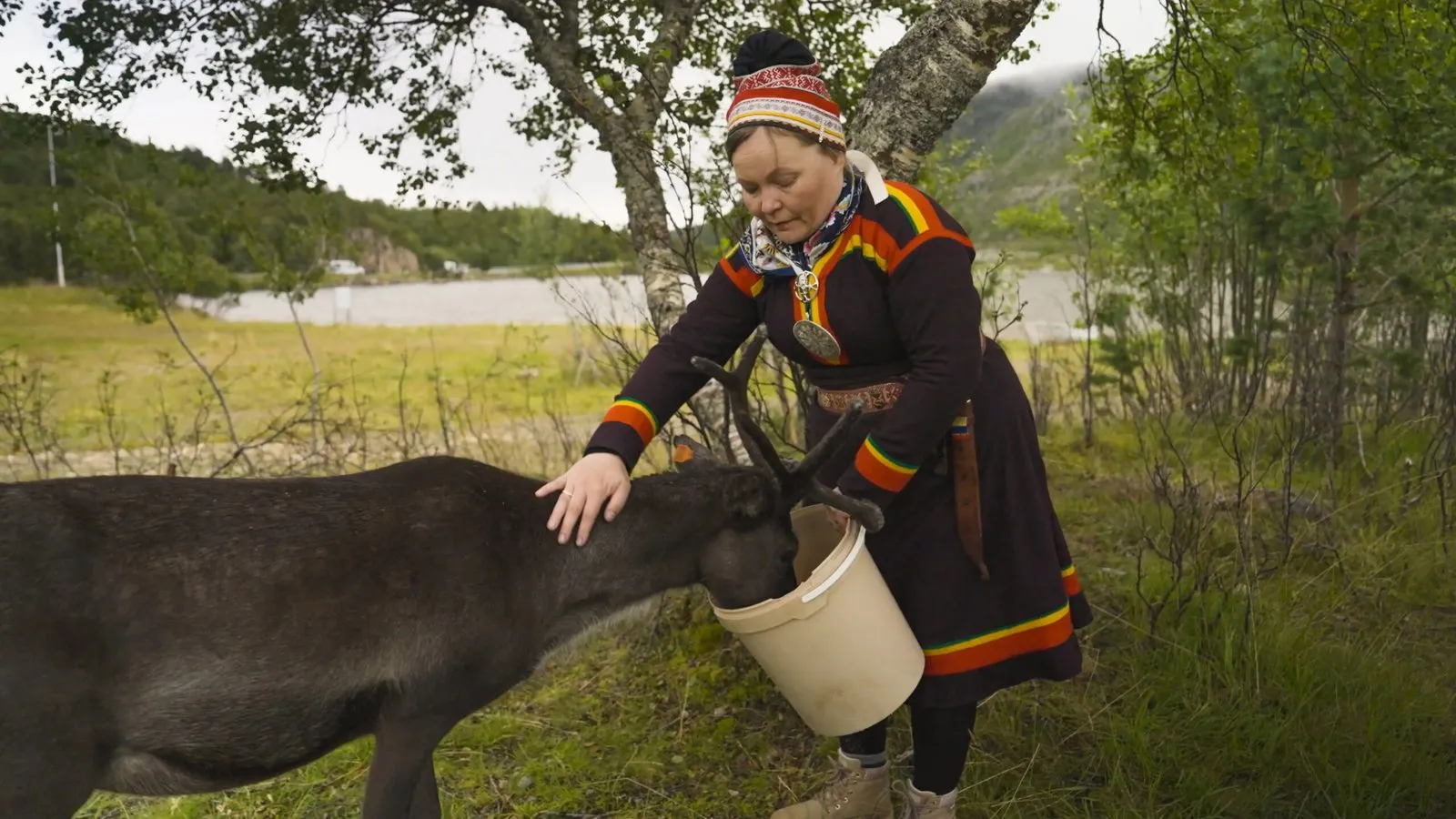
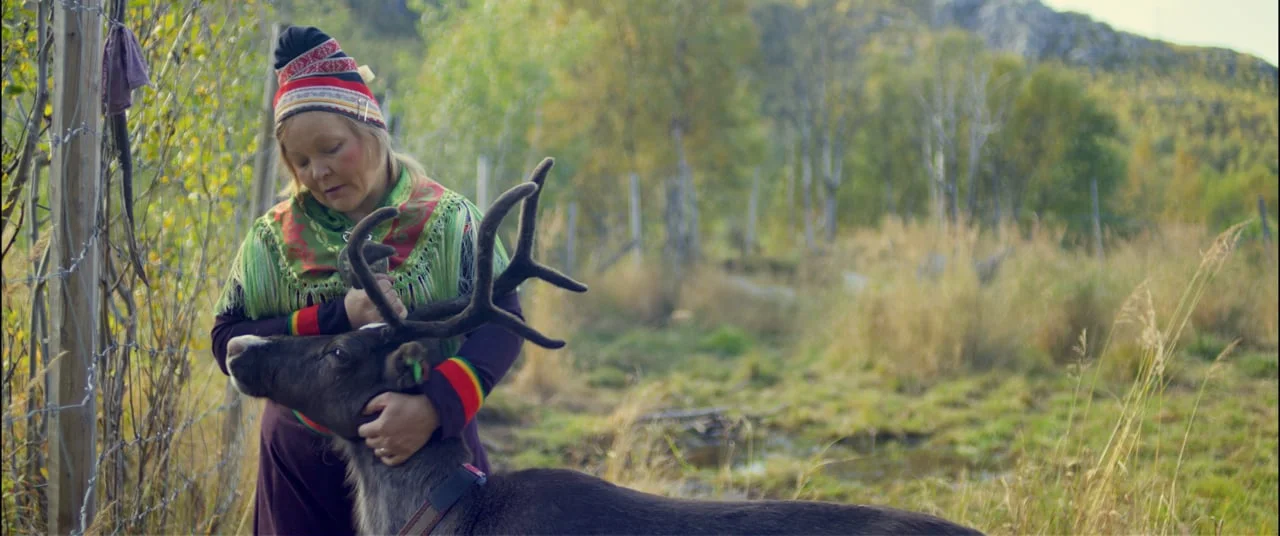
Máret Rávdná Buljo was a baby when she received her first reindeer, and only three when she made herself a promise: to follow the herd for the rest of her life. She has kept it — her days still ordered by the mountains and the weather, walking after the herd, feeding her family, teaching her children what no book can hold.
She keeps the old knowledge alive the only way it survives: through use, not nostalgia. This film stays close to Máret as she lives what the series is searching for — a relationship with the Earth that is practical, tender, and alive.
The film begins
with the land.
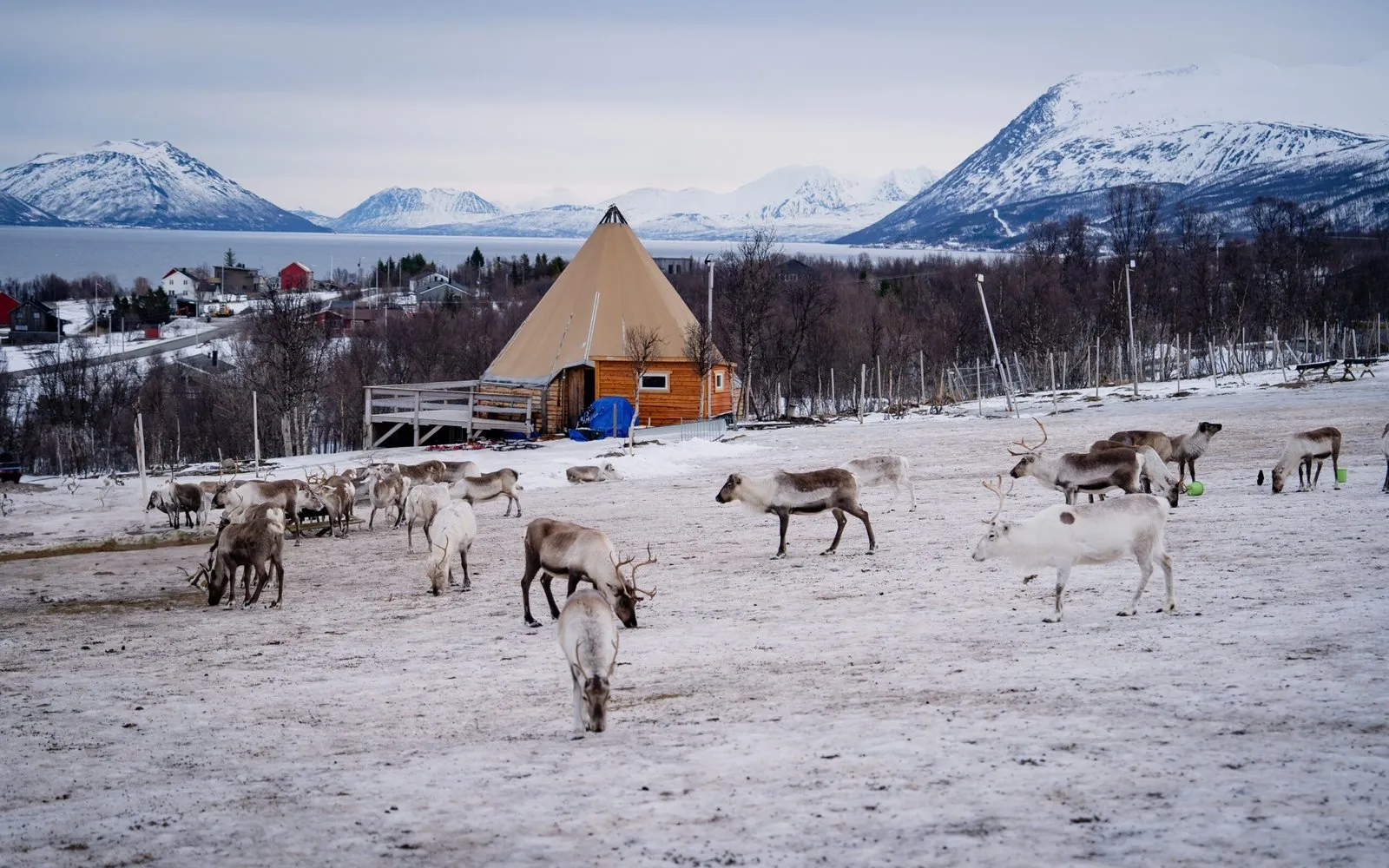
The film opens in the coastal mountains of northern Norway. Morning fog moves through birch and tundra; we hear wind, hooves, birds, a river. Máret walks ahead of us, reading the ground and the weather. She isn't performing a tradition — she's living one.
The camera stays close enough to feel her presence, but lets the land set the pace. Through her, we step into a Sámi way of seeing, where the reindeer is never just an animal to be used, but a life she is bound to.
Reindeer as relative,
teacher, and provider.
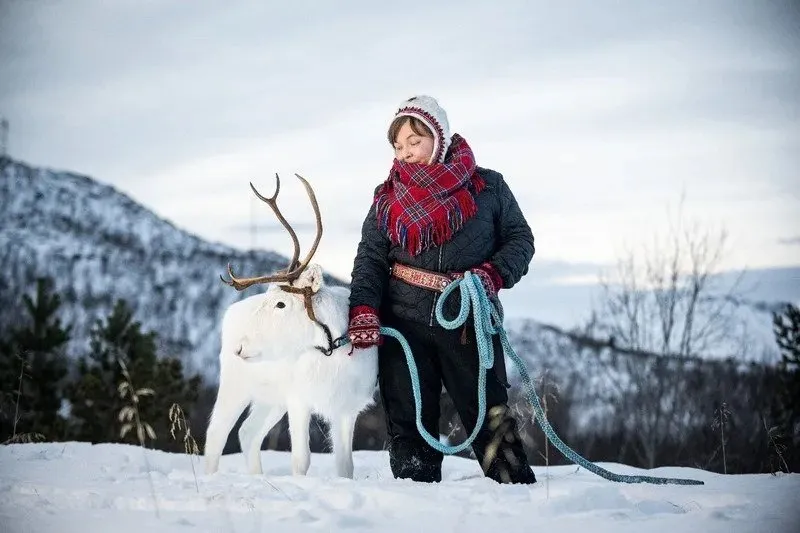
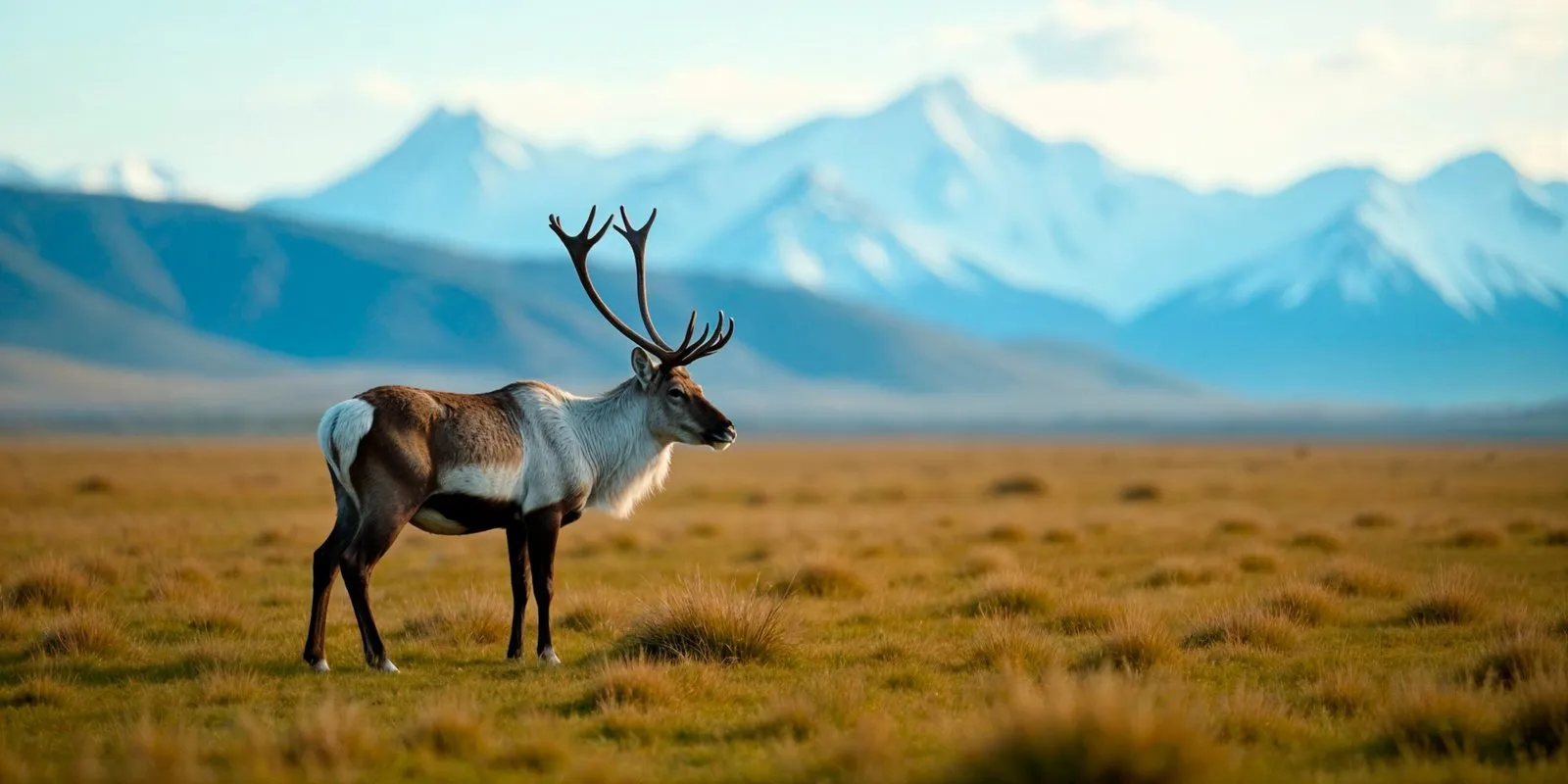
For Máret, the herd is family, and the bond between her people and the reindeer is older than memory. She tells an old story: that the reindeer once came to the people and offered itself, asking only to be protected in return.
That promise still shapes how she lives — to take only what is needed, to waste nothing, and to give the land the same care the herd has always given her family.
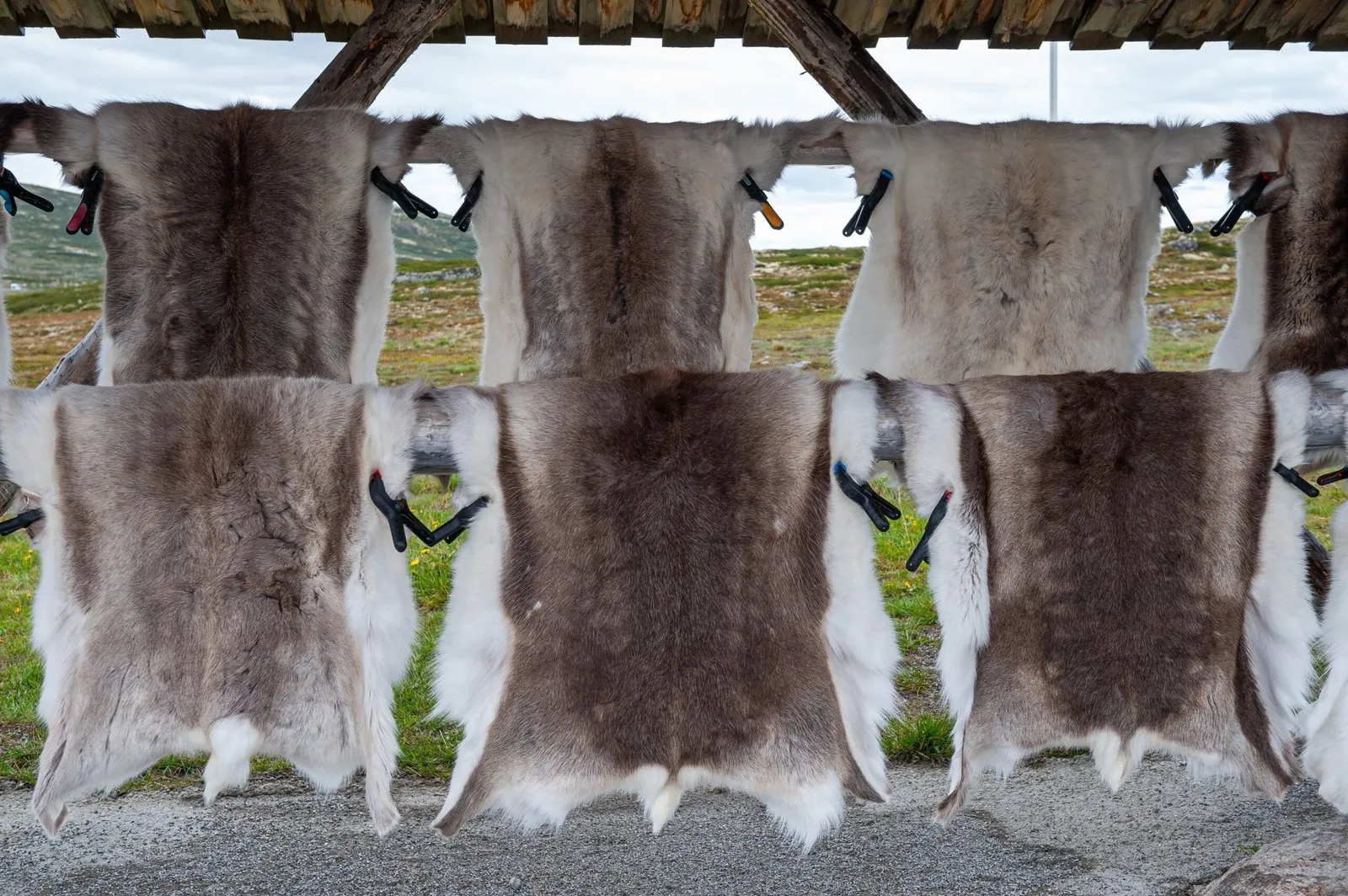
To show respect, we promised to use every part of the reindeer for something useful
The fire becomes
the heart of the film.
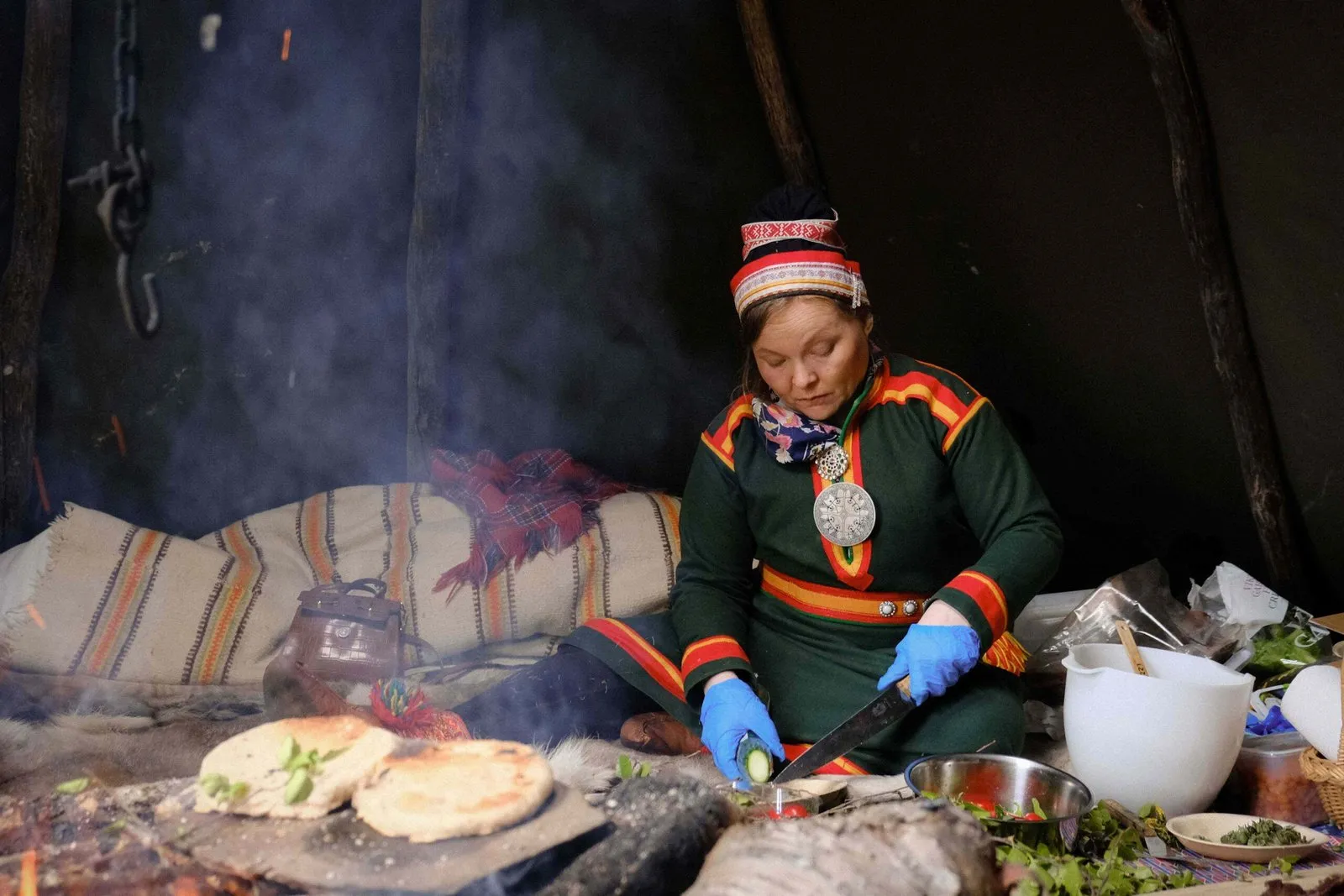
Around the fire, Máret's cooking opens the deepest part of the story. We may film her making bidos — the slow reindeer stew of weddings and funerals, its broth built from marrow and bone over hours. Birch-smoked reindeer, sliced thin and folded hot into flatbread with lingonberries. Medicinal broths drawn from marrow, bone, and hoof — a different brew to mend a different part of the body. And, to finish, reindeer cream with cloudberries: the richest milk in the Arctic met with the most prized berry on the tundra.
We'll also follow her relearning reindeer milking, a practice now remembered mostly by elders: a doe gives only a little, and Máret takes even less, so the calf is fed first — because abundance is not taking more. It is knowing what is enough.
Nothing is taken
casually.
The film unfolds in three movements. First, the wild — the land, the weather, and the long search for the herd. Then a silence: the slaughter itself, which the film refuses to show. Out of respect for Máret and the animal, it passes unseen — marked only by stillness, the one true quiet in the film. And then the transformation, as the gift becomes food, medicine, warmth, and a reason to gather.
Nothing is wasted, and nothing is made spectacle. Even after the meal, the bond continues — in the broth, the hide, the tools, and the care with which whatever remains is returned to the land.
Patient, sensory,
intimate.
The film is patient and close, leading with the body before the idea. The camera moves between two scales: intimate textures — smoke, moss, blood, wool, iron, hands — shot close enough to feel, and epic wides where Máret and the herd are small against the mountains. The intimacy says this is one woman's life; the wides say the land was here first. The land supplies the palette — rust, gold, deep green — and the film saves its fullest color for the final feast, when the gákti comes out.
Sound carries as much as image. Modernity runs through the film as the counter-current, the antagonist it pushes against: it enters the way it enters her life, as noise, heard before it's seen. It is never the villain, but the world we all live in. The score tells its own story: a low drone through the wild, then, after the silence, a rhythm built from the sounds of her own hands at work — knife on wood, scraper on hide, ladle on pot.
Impact begins
with remembering.
Reframe food as relationship, not consumption.
Help viewers feel their own connection to the living world.
Make ancestral and land-based knowledge feel relevant, human, and alive.
Inspire small acts of reconnection: trusting our primal instincts, asking where food comes from, seeing the Earth as kin rather than backdrop.
Help bring this story to life.
Your support funds the filming, travel, and storytelling that makes this episode possible.
Support the Series Back to Episodes