What the Tide Brings
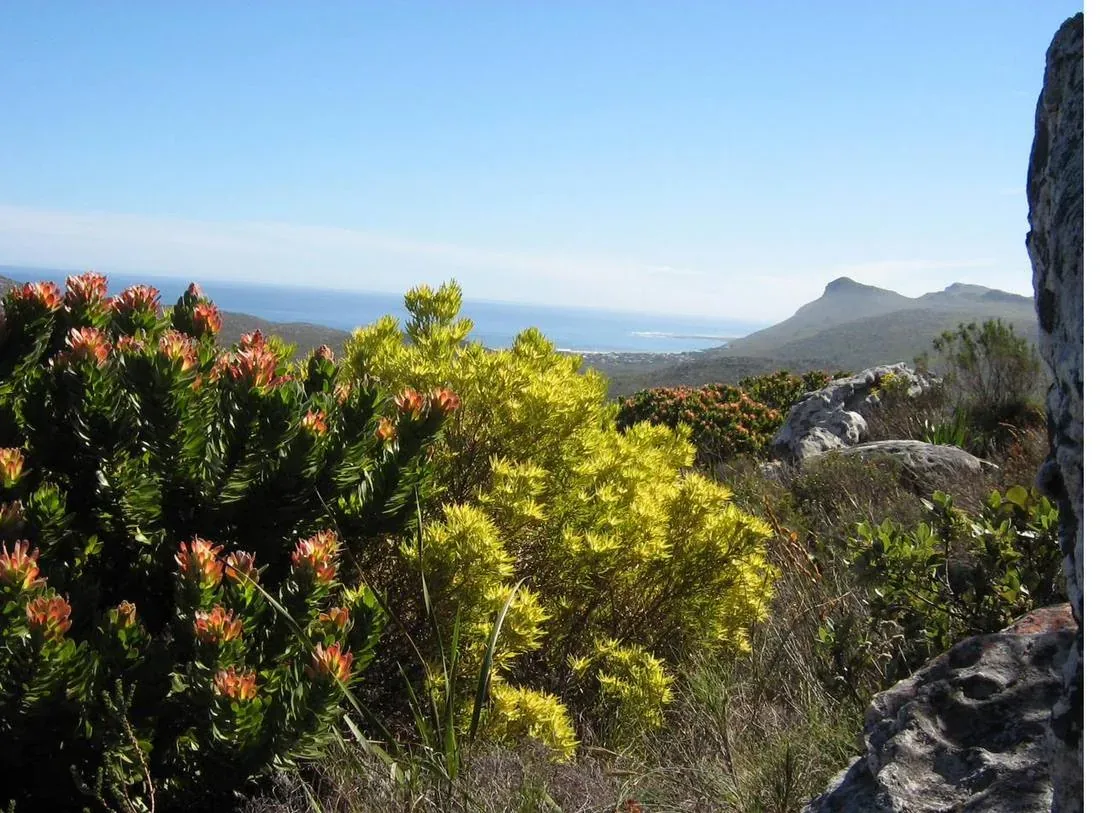
At the foot of the Klaasjagersberg mountains, where salt-laden air meets a fynbos landscape, Roushanna Gray has spent two decades asking a single question: what does this place taste like? The answer became a life’s work — a wildly delicious, never-ending learning journey through one of the most biodiverse plant kingdoms on Earth.
We arrive at a charged moment. Her book is about to be born into the world, a co-operative she has just co-founded is about to take root inside a nature reserve, and the season is at its most abundant. This is not the story of one woman alone. It is a story about what it takes to build a life in reciprocity with a coastline.
Shoot Scheduled — November 4–13, 2026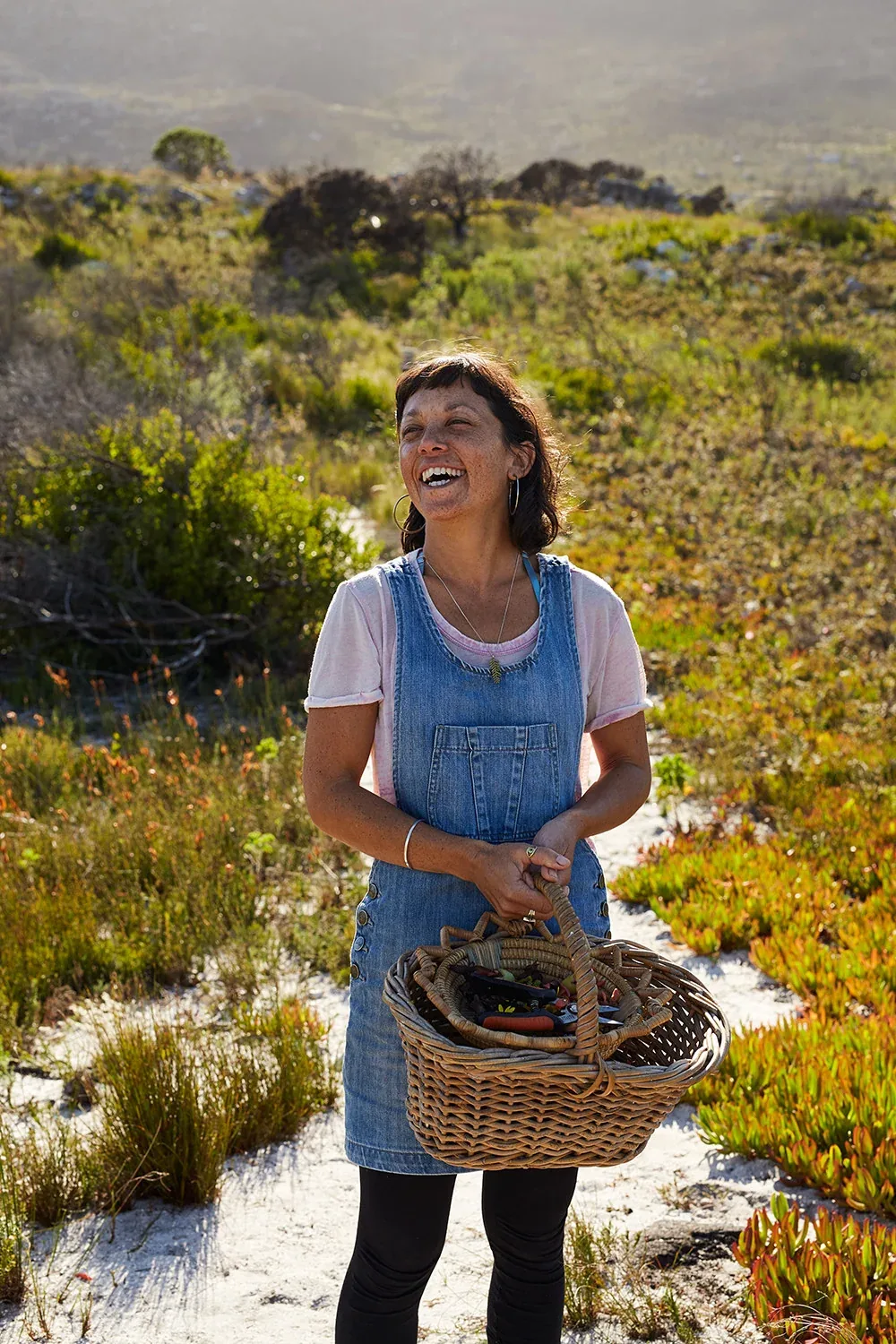
The film begins at the tideline.
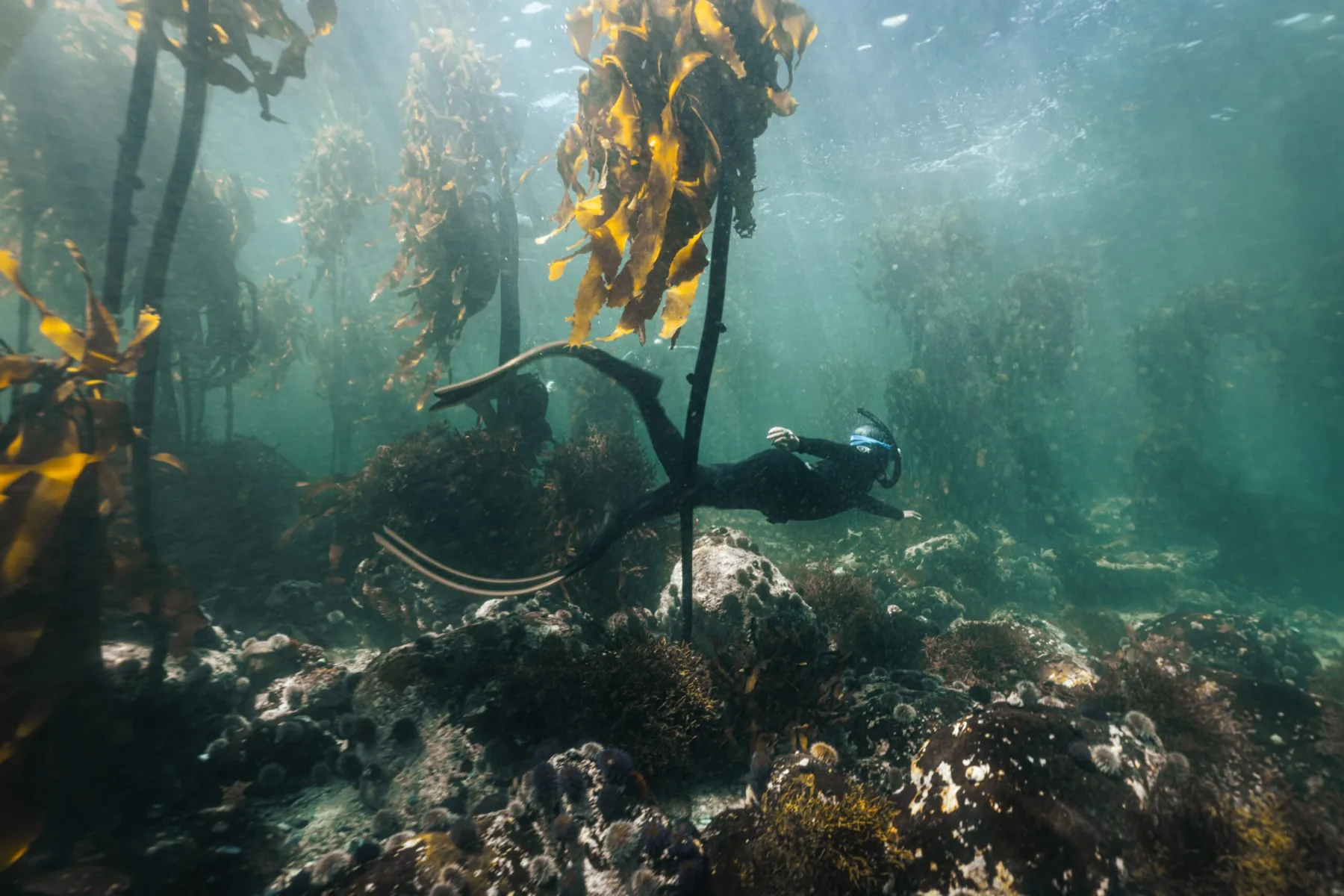
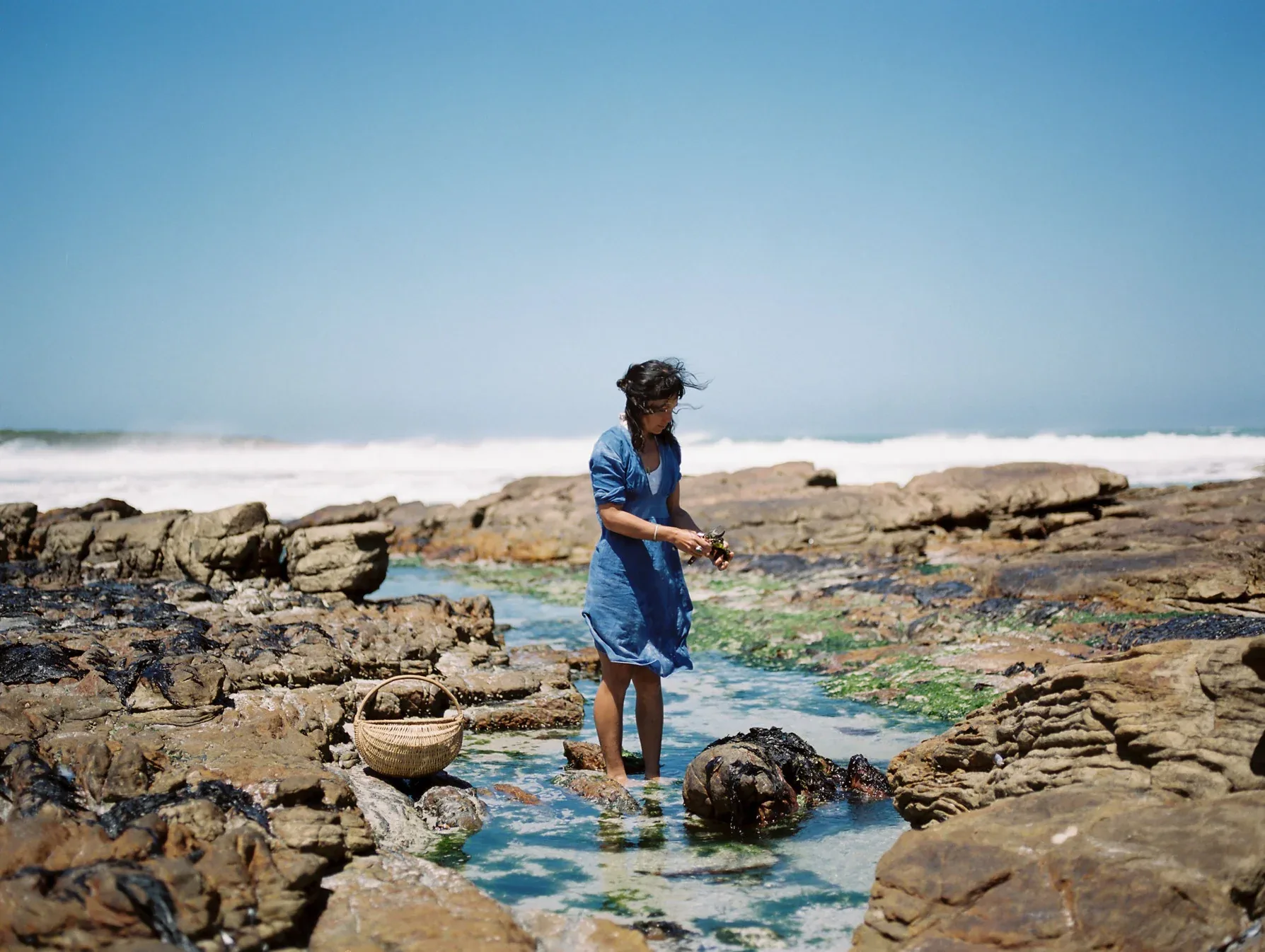
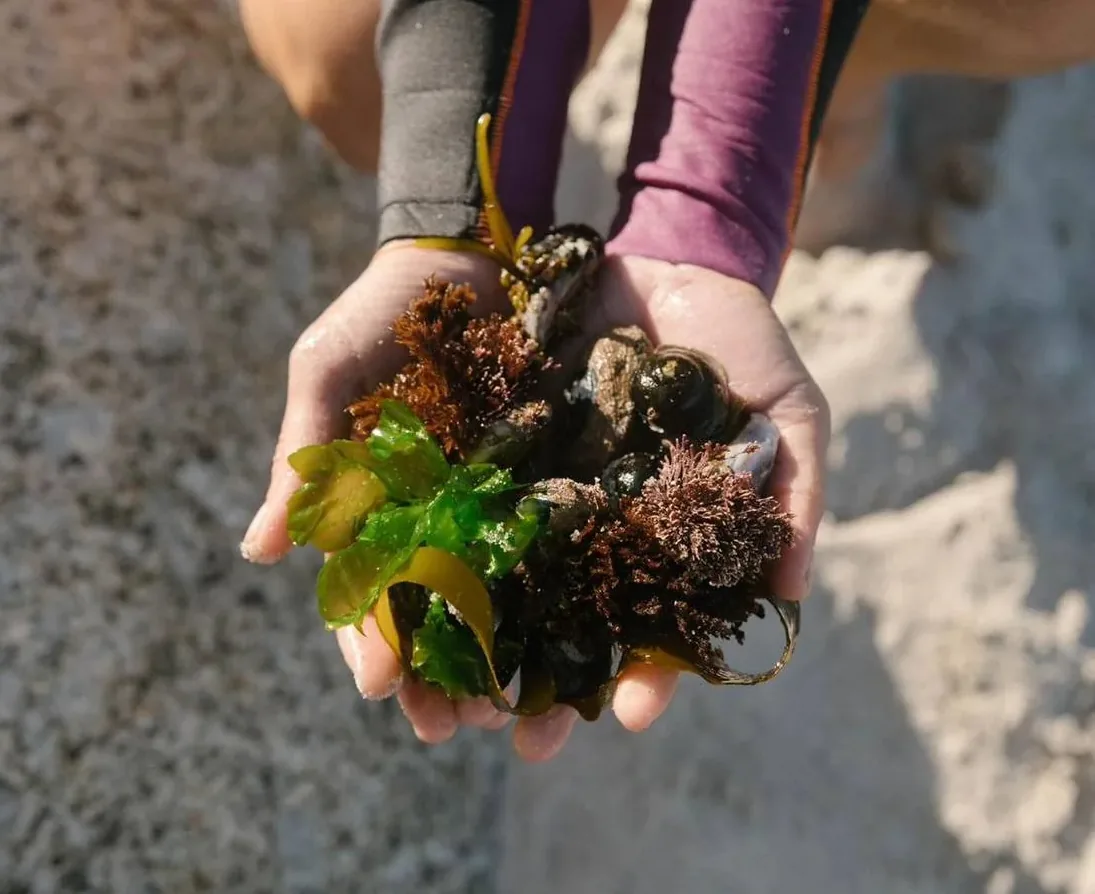
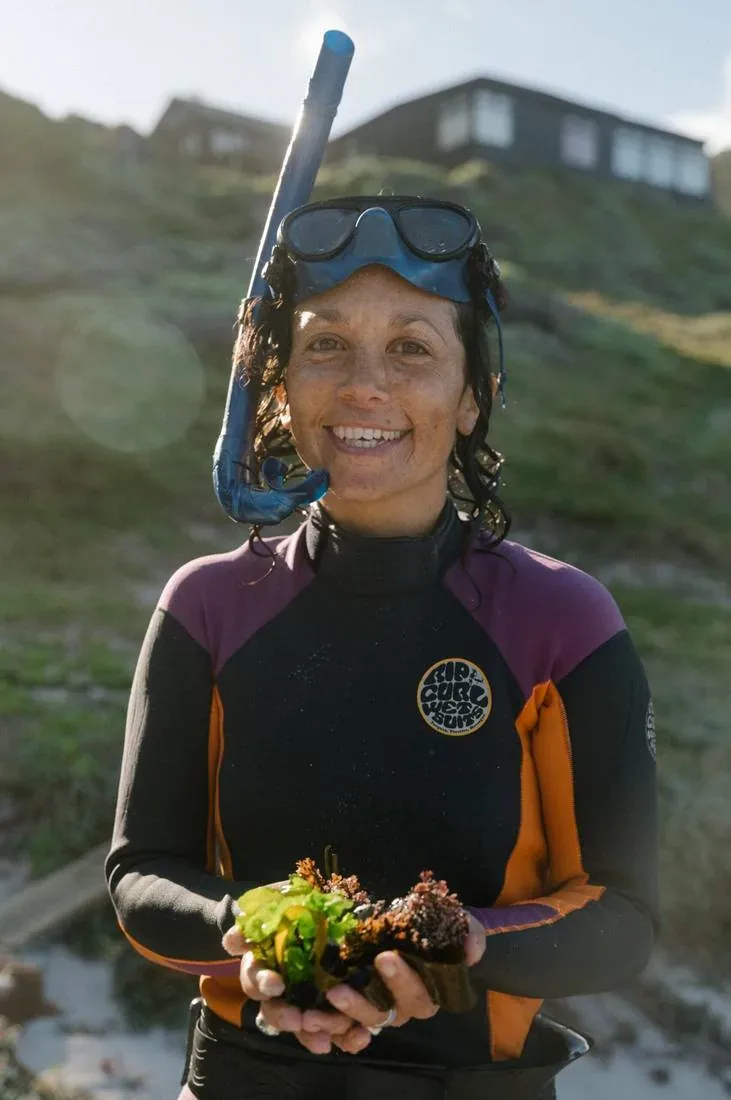
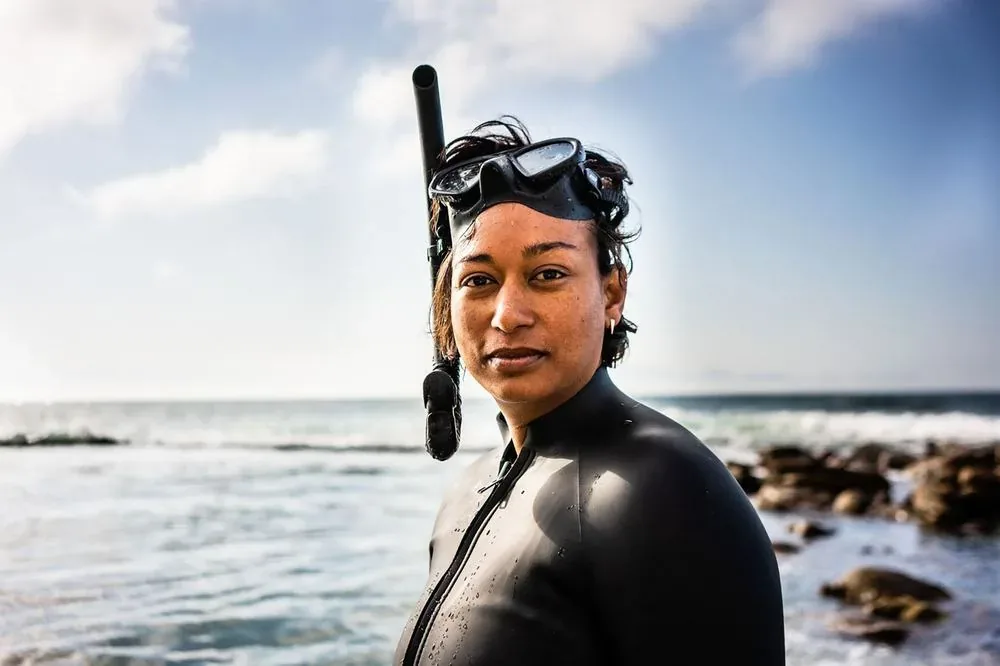
Low tide, early summer, first light. Roushanna wades out with a mesh bag and disappears under the surface. When she comes up she is holding a fistful of the ocean — bright green sea lettuce, a frond of bamboo kelp, purple laver still dripping — and she is grinning. This is the first thing the audience learns about her, before a word of explanation: she goes into the water, and she comes back with dinner.
Nothing here runs on a diary. The day is set by season, moon phase, and the tides they pull, and the shoot follows that clock rather than ours. But the film carries a clock of its own. In ten days, a hundred people will sit down in the glasshouse to eat from her new book, and everything we shoot moves toward that table. What she is holding this morning will be on it.
Where it all happens.
We shoot this on the first afternoon, while the kitchen behind her is already being cleared for the launch. She arrived at Cape Point in 2004 and never left. Home and workplace are the same ground: an indigenous plant nursery established decades ago by her mother-in-law, the horticulturist Gael Gray, where Roushanna’s own work began as a small tea garden inside someone else’s dream. Three generations live here now, alongside seven dogs and a team that thickens and thins with the seasons.
We shoot this place as a working landscape rather than a backdrop — bare feet on decking, herbs drying overhead, someone always carrying something toward the kitchen. It has grown the way everything here grows: slowly, organically, into a tapestry of rustic beauty. A glasshouse where people eat. Gardens that feed the glasshouse — nasturtium and borage, sorrel and wild garlic, fennel gone to seed, buchu and honeybush for the tea garden. The line between garden and classroom, kitchen and coastline, dissolved a long time ago.
Reminding people that they are nature.
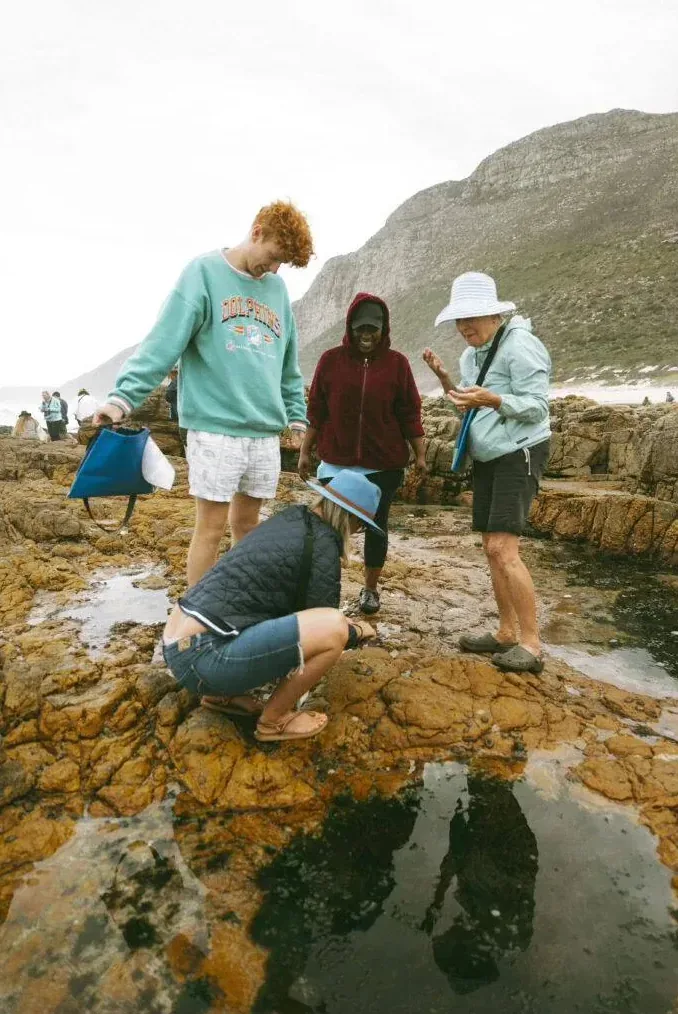
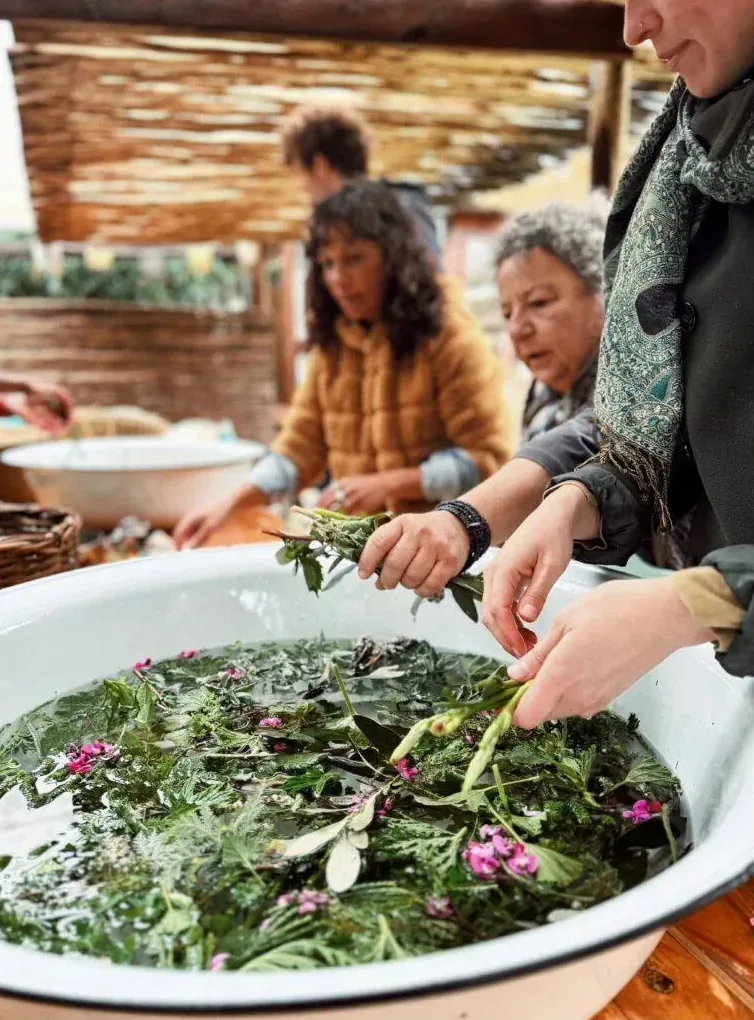
A workshop, filmed lightly. Strangers come through the gate unsure what they have signed up for, and Roushanna takes them out to the shoreline and teaches the way she learned — by putting things into hands. Sea lettuce. Dune spinach. Wild garlic underfoot. Taste this. Leave that. Notice what you are taking, and from whom.
Then they cook it and eat it together — seaweed fried into crisps, dune spinach wilted with wild garlic, num-num berries stirred into something sharp — and the first bite of something they gathered themselves does the rest. We do not need long here. The teaching is everywhere in this film already — in the kitchen, at the tideline, at the feast — so this chapter can stay brief and let the meal make the argument.
The kitchen is the heart of the film.
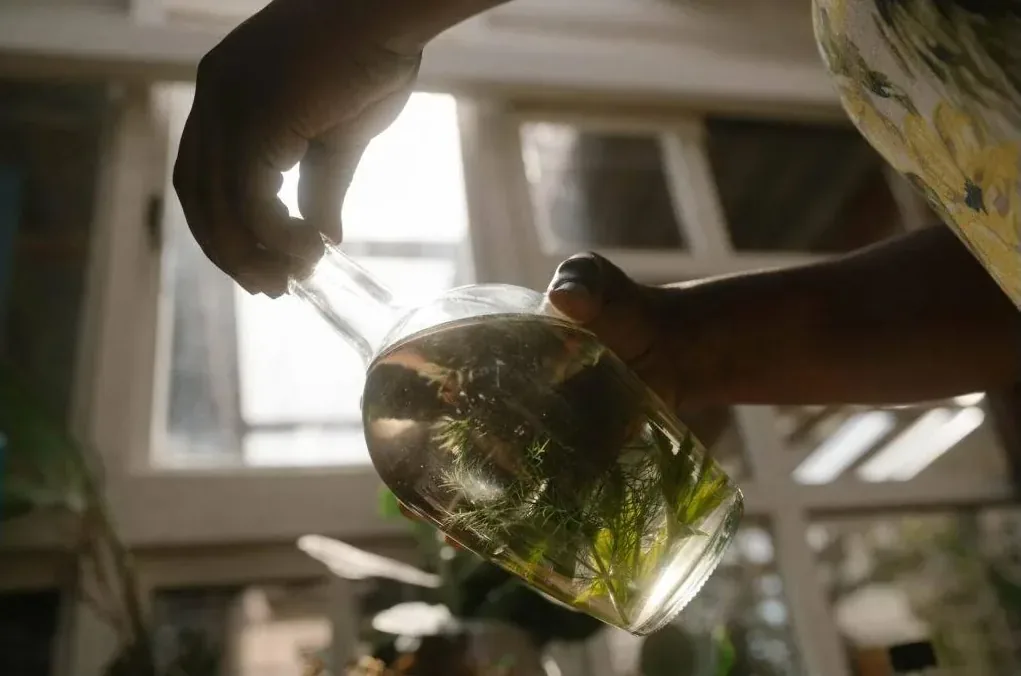
Food is not a subject in this episode. It is the medium every theme travels through. Bamboo kelp comes out of the cold Atlantic and becomes pickles, noodles, broth, and crackling seaweed salt. Sea lettuce is fried into crisps; purple laver is dried and crumbled over everything. Dune spinach is wilted with wild garlic. Sour figs are cooked down into a sharp amber curd, and num-num berries into something closer to a chutney. Nasturtium, wild mustard, and fynbos blossom land on a plate like the landscape signing its own work. Buchu, wild rosemary, and fennel steep into syrups and cordials the colour of the veld in bloom.
Every dish is an act of translation: ecosystem into flavour, place into nourishment. Nothing is gathered carelessly and everything gathered is honoured — a harvest measured against what the season can spare. This is ancestral knowledge kept alive the only way it survives — by cooking with it. In her hands a recipe is a ritual, and a meal is an offering to the landscape that made it.
“Viewing the Earth as sacred is conservation in itself.”
She never studied this. She learned it from the land.
Midway through, the film turns backward, into archive and memory. It started with a cup of wild tea — a small tea garden at the nursery, and a gap she could not stop noticing between the flavours on her menu and the aromatics reaching her on the wind. Her first classes were not for adults at all. They were holiday foraging sessions for children, and they taught her the thing everything since has rested on: share food gathered from a place, and people fall in love with it.
She has no degree in botany and no training in any of this. Because she came without credentials, she spent years teaching through a strictly scientific lens so she would be taken seriously. Some of that was the world’s expectation. Some of it, she says now, was a story she told herself. The science stayed. But slowly she began teaching the other half too — that seeing the Earth as sacred is conservation in itself. It is the film’s most human turn: the quiet work of giving yourself permission to speak in your own voice.
Letting go, and letting it grow.
The team we meet is already in launch mode, and that is the point: none of this would be survivable alone. For years she did all of it herself — teaching, harvesting, cooking, marketing, admin — and ran herself into the ground. The turning point was letting go. She trained her team until the place could run without her, and found out what a collective can do that one exhausted person never could.
By high summer there are sixteen or seventeen of them, freelance and interlocking: cooks, facilitators, divers, scientists, artists, all keeping their own work alive alongside this one. Volunteers arrive each month and some never really leave. Food is the glue — long tables marking the working day, everyone eating what they helped gather: a pot of mussels and kelp broth, bread with seaweed butter, whatever the morning turned up. People flow in, take what they need, and move on to the next thing.
Roushanna at the centre — but never alone.
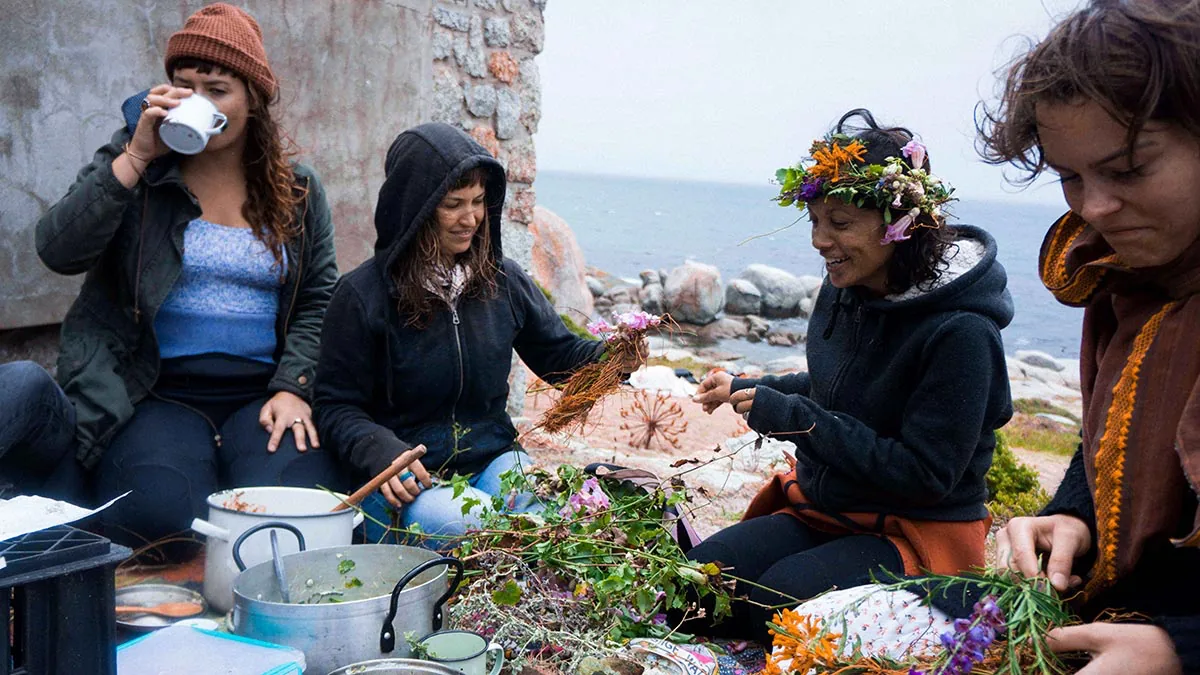
One evening mid-shoot, the work stops and the women eat together on the rocks. This is not a portrait of a lone visionary. Everything she has built stands on a circle of women: Gael Gray, the horticulturist whose nursery came first and whose garden she started inside; Aaniyah Omardien, the marine scientist she is founding a co-operative with; the cooks and facilitators and artists who teach under the Veld & Sea name; and the young women who arrive as volunteers and stay far longer than they meant to.
We film them together — gathered around a fire on the rocks, hands busy, food between them — because that is how the knowledge actually moves here. Not down from a teacher to a student, but sideways, between women, across generations, on one stretch of coast.
The harvest becomes art.
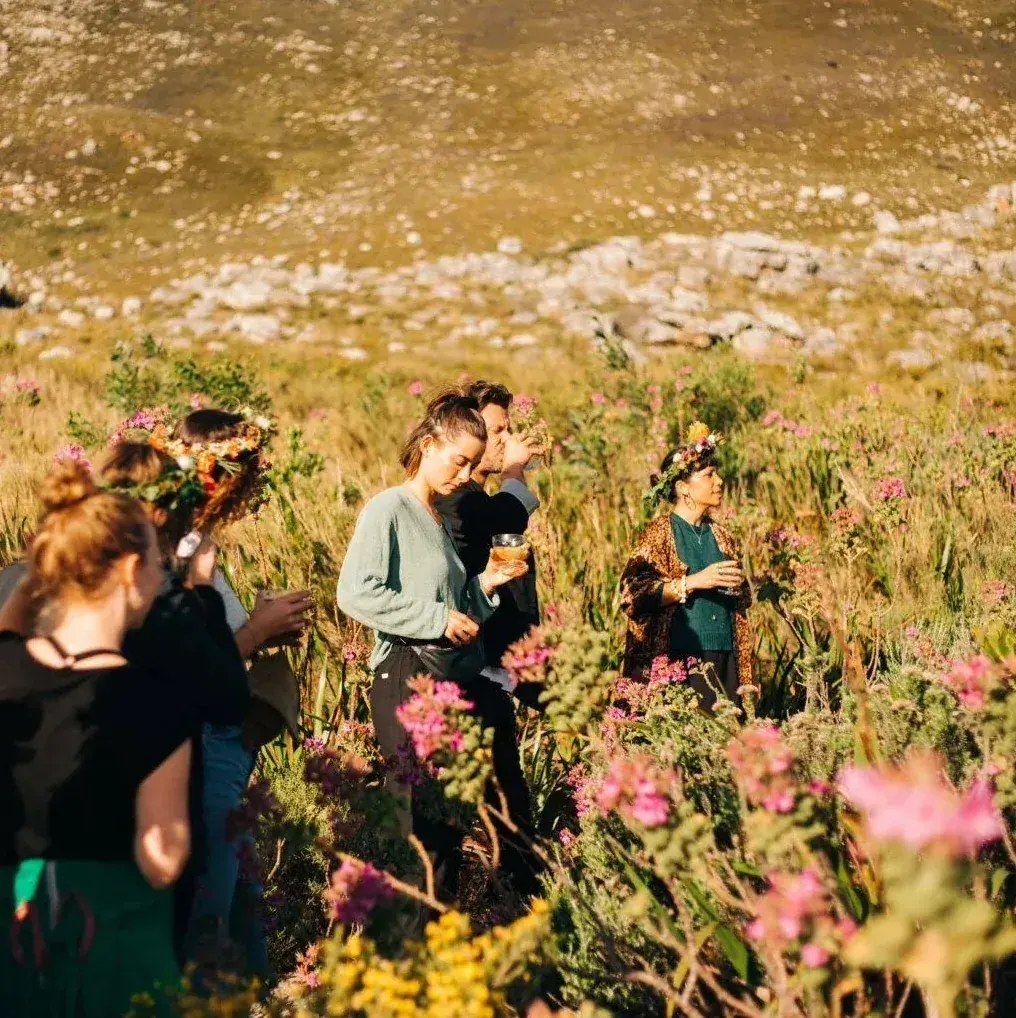
A quiet afternoon in the middle of the week, while the kitchen rests. Not everything gathered is eaten — the land is also a palette here: cloth dyed in colours pulled from the veld, botanical prints exposed in Cape sunlight, charcoal made from burnt fynbos drawing the landscape that produced it.
We film this with her and the artists who move through the collective, and it gives the film its quietest register — hands, dye pots, paper, sun. The same plants go into the kitchen and the dye bath — onion skins and kelp, madder root, the spent flowers from a class — and the same rule governs both: take what the season can spare, waste nothing, let the place decide what it gives.
Thirty days of eating only what the land and her neighbours provide.
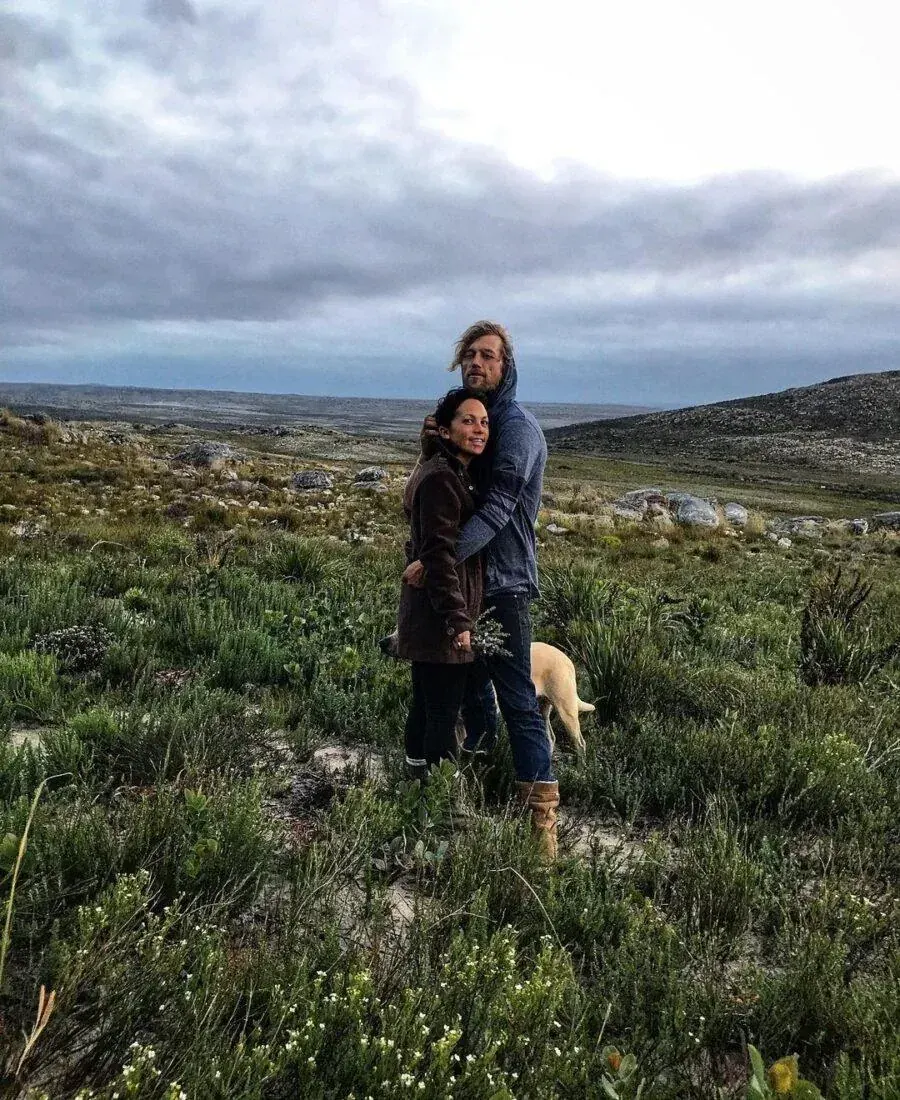
Once a year, Roushanna and her husband Tom press a reset button: for thirty days they eat nothing they have not farmed, foraged, or traded for. No shops, no shortcuts, no anonymous ingredients. It began as an answer to a contradiction she names openly — as life gets busier, she does not always have time to live the way she teaches.
This year they called it the sweet potato fast. A vast purple harvest became their currency, carried to neighbours and traded for eggs, honey, fish, olive oil, a jar of preserved lemons — and the trading did not stop at food. Skills, time, care, and knowledge all entered the exchange, an older economy briefly switched back on. On screen it is the film’s most quietly radical passage: two people in a kitchen inventing dinner out of constraint, night after night — sweet potato roasted, mashed, fermented, sliced thin and crisped, dressed with whatever the tideline gave up that morning. Tom stays in the frame and out of the interviews. Roushanna films the month herself, and that footage becomes her own first-person voice inside the film.
The Veld & Sea Co-op.
Ten years in, she asked the question every founder eventually reaches: what is the next big step? This time the answer arrived with someone else in it. With her close friend Aaniyah — a marine scientist who has gathered people for new-moon beach cleanups for a decade — she is founding the Veld & Sea Co-op, an organisation for ecological research and multigenerational learning.
They have just been granted a site inside the Cape Point nature reserve: an old, rundown cottage held in forest and fynbos at the very tip of Africa. We film the two of them walking it — pacing rooms that do not work yet, imagining a teaching kitchen where there is currently a broken window. Confirmation came days before our pre-interview, which means the film arrives before the beginning: before the cottage is fixed, before the first class is taught, before anyone knows whether it will work.
A hundred guests, and the tide has other plans.
Here is where the film finds its pressure. The book is printed, the date is set, and everything else is improvisation. The team runs on adrenaline and cold coffee, and Roushanna is in the middle of it doing eight things at once. Baskets have to come back full, and the coast gives only what the tide allows on the day it allows it — kelp, sea lettuce, laver, dune spinach, buckets of wild flowers, enough of all of it for a hundred people. The glasshouse has to be turned into a dining room.
We stay close for all of it — the harvest runs at first light, the kitchen at full tilt, the things that go wrong, the ones that go quietly right. This is the human story underneath the beautiful one: not a serene forager in a beautiful landscape, but a woman days away from putting twenty years of work in front of everyone she knows.
The launch becomes the crescendo.
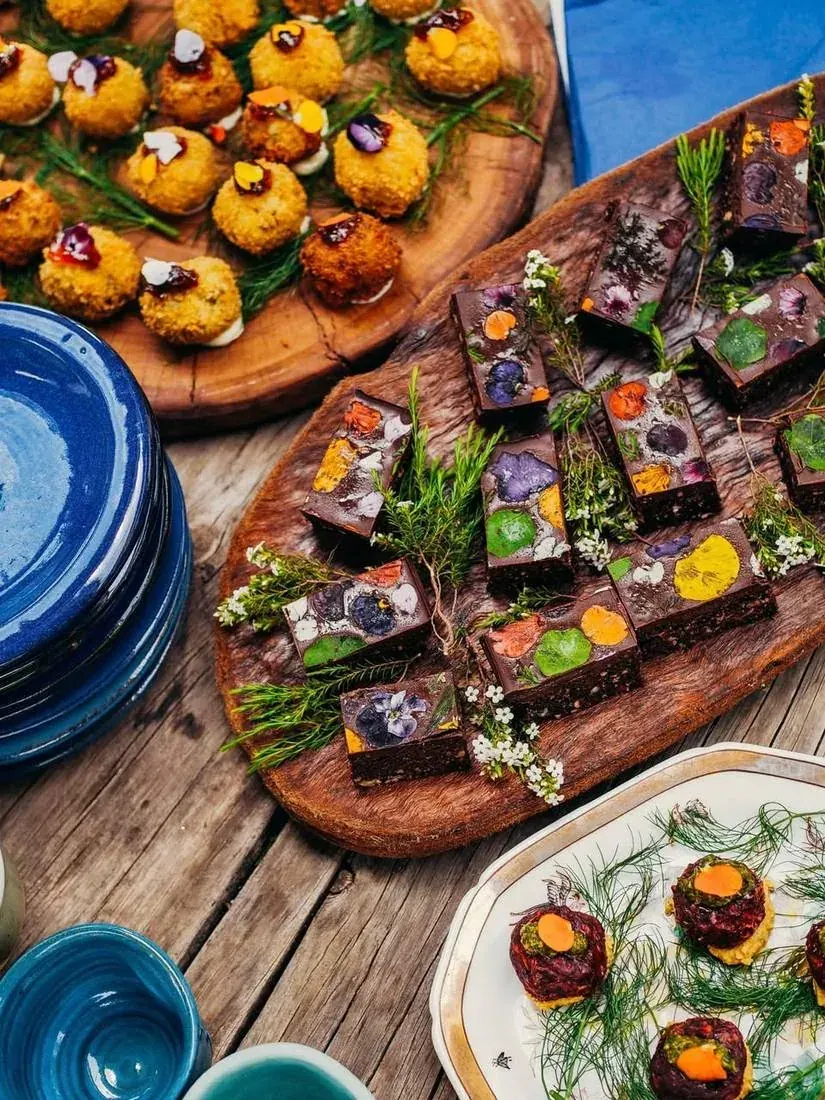
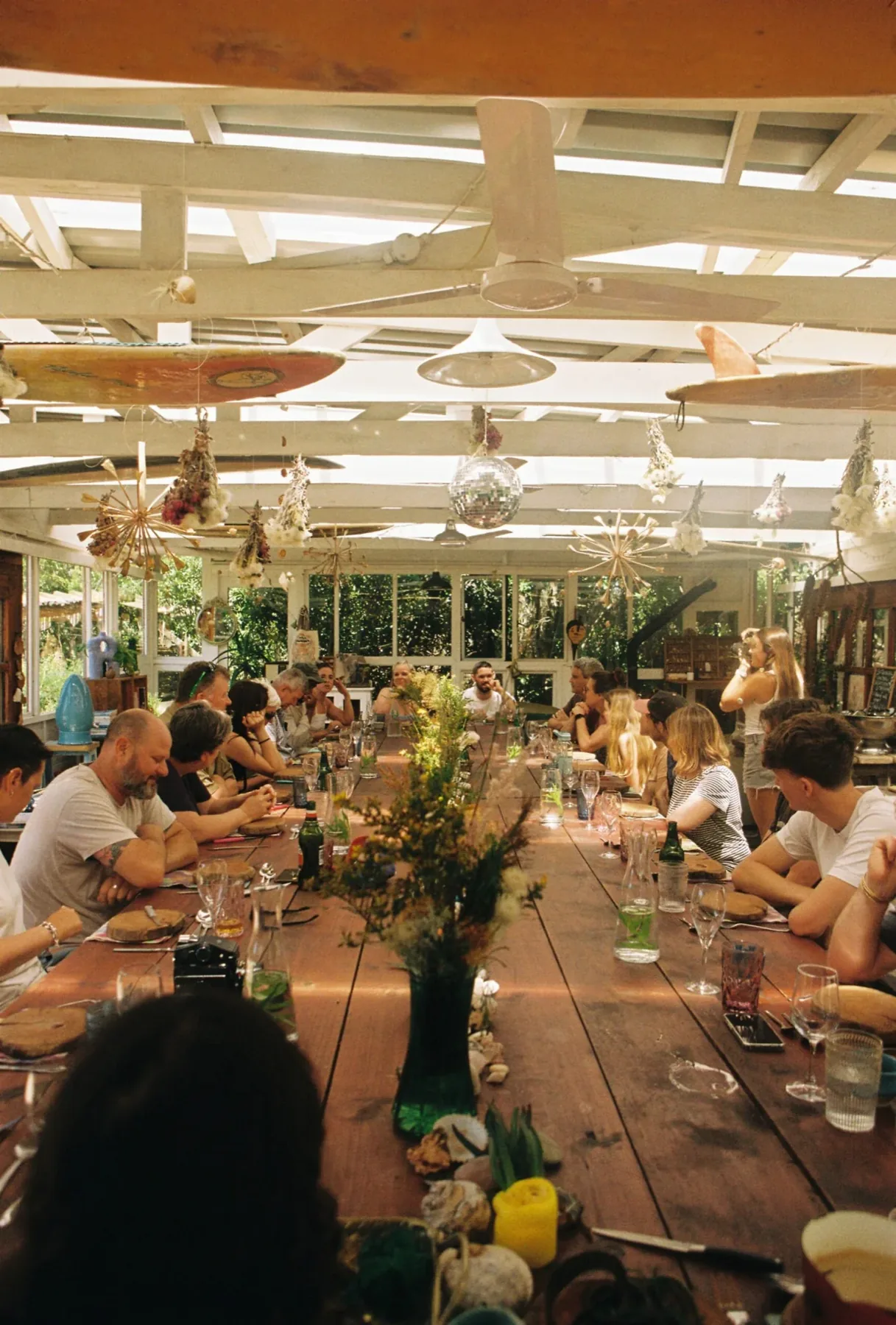
A hundred people in the glasshouse, and now the ingredients become recipes. Seaweed croquettes with a sour fig glaze. Kelp pickles and laver butter on warm bread. Dune spinach folded through a tart. Slabs of dark chocolate set with pressed fynbos blossom. Cordials the colour of the veld, poured over ice with a flower frozen inside it. Everything we have followed arrives at once — the seaweed from the opening dive, the greens from the classroom, the trades from the thirty days.
This is the moment her teaching voice becomes a published one: everything she spent years earning permission to say, bound into recipes anyone can follow. The countdown ends here, the tide delivered, and somewhere at a table Aaniyah is talking about a cottage that does not exist yet. What began with a cup of wild tea ends with a hundred people eating the landscape together. The camera stays in the room, and on her face in it. Then we step outside for the last shot: the glasshouse from the dark garden at dusk, lit up and loud, a hundred silhouettes moving behind the glass — a celebration that is also an offering to the place that made it possible.
“It’s almost like I don’t have a choice. It’s a calling — and I love the freedom this life allows me.”
Sensory, seasonal, close to the hands.
The film is patient and tactile, leading with the body before the idea: hands in cold water, a blade drawn through a kelp frond, steam off a pot, wind moving through fynbos. Sound carries as much as image — surf, gulls, the scrape of shells, the particular quiet of a rockpool at low tide, a kitchen at full volume — and the edit follows the rhythm of season, moon, and tide rather than a conventional arc.
Modernity runs through all of it as the counter-current, the pressure the film pushes against: the busyness that steals the time to live what she teaches, the loneliness of building a model that never existed before, the pull to scale, the algorithms misinforming her students. It is never the villain. It is the world we all live in, and the platform she uses to carry her work forward. But at every fork she has made the harder choice — small enough to be sustainable, honest enough to teach what she actually believes, rooted enough to keep belonging here. Her life is poetry from every angle, and it is not idyllic. It is human, and that is precisely the point.